


: For Linux users, the b43 or broadcom-wl drivers are the standard. Most distributions (like Ubuntu or Mint) offer these via "Additional Drivers" in the software settings. Installation Steps
However, as operating systems evolve, keeping this hardware running smoothly requires the right software. If you are experiencing dropped connections, slow speeds, or the dreaded "Code 10: This device cannot start" error, an updated or properly matched driver is exactly what you need.
Uncheck the box that says . Click OK and restart your computer. Long-Term Advice: Consider a Hardware Upgrade broadcom bcm94312hmg driver updated
(often identified as the 802.11b/g or 802.11abgn wireless adapter) has been a workhorse Wi-Fi card in many legacy laptops, particularly those manufactured by Dell, HP, and Toshiba. While this chipset is older, many users still rely on these machines. Keeping the is critical for compatibility with modern networks, security, and the stability of Windows 10 and Windows 11 operating systems .
Often, Microsoft bundles stable, legacy Broadcom drivers directly into their operating system updates. Press the to open Settings . : For Linux users, the b43 or broadcom-wl
Visit the support website of your laptop brand (e.g., Dell Support, HP Customer Support).
Step-by-Step Guide to Update the Broadcom BCM94312HMG Driver If you are experiencing dropped connections, slow speeds,
: If you've downloaded a driver file (usually a .exe or .zip ), right-click the device in Device Manager and choose Update Driver > Browse my computer for drivers .
The Broadcom BCM94312HMG is a classic, single-chip 802.11b/g wireless LAN PCI Express Mini Card. While it was standard equipment in millions of laptops during the Windows 7 and Windows 8 eras, keeping this legacy hardware running flawlessly on modern operating systems like Windows 10 and Windows 11 requires the right driver strategy.
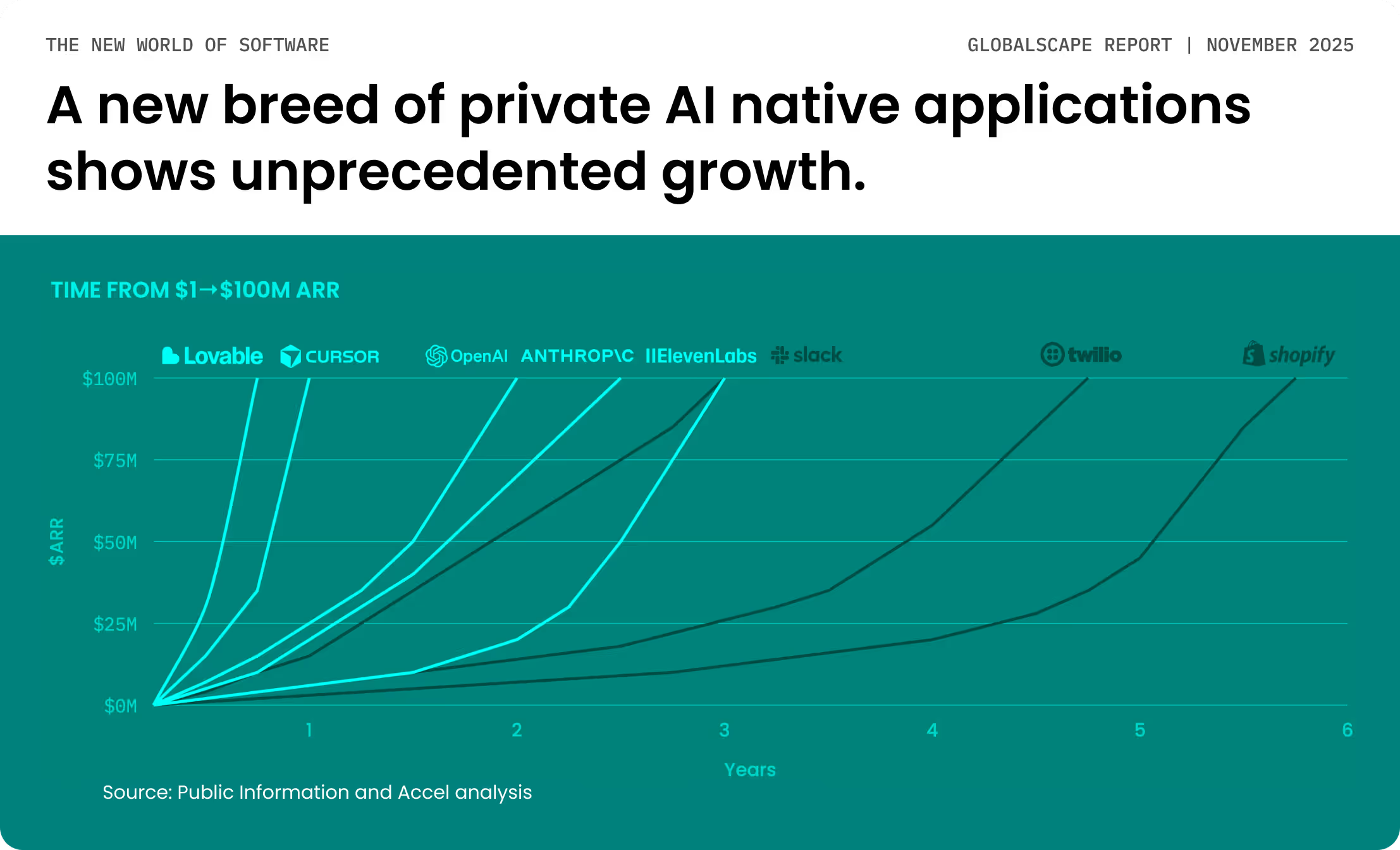
We are witnessing a tectonic shift, with AI accelerating innovation across the globe and unprecedented growth in AI native applications and enterprise agentic workflows. This shift will require an estimated $4 trillion investment in computing data centers over the next five years.

Report
Report
Report
Report
Report
Report
Report
Report