Codex Gigas Pdf Best -

The Devil took the quill. He wrote with supernatural speed, his hand moving so fast it blurred. Text poured onto the pages—the Old Testament, the New Testament, history, law, and cures for diseases. As the rooster crowed, signaling dawn, the final pages were drying.

This article serves as your ultimate resource. We will explore the history of the book, explain the legends behind it, and—most importantly—guide you to the highest quality, safest, and most complete PDF version of the Codex Gigas available online.

By midnight, realizing the task was impossible, the monk made a pact with Lucifer. In exchange for his soul, the Devil completed the manuscript. Out of gratitude, the monk included a large portrait of Satan on page 577. While modern handwriting analysis suggests the entire book was indeed written by a single scribe, experts estimate the task actually took between 20 to 30 years to complete. 2. What is Inside the Manuscript?

According to medieval lore, a monk named Herman the Recluse broke his monastic vows and was sentenced to be walled up alive. To save his life, he promised the abbot that he would create a book in a single night that would glorify the monastery and contain all human knowledge. codex gigas pdf best

The (Latin for "Giant Book"), also known as the Devil’s Bible , is a masterpiece of medieval craftsmanship and the largest surviving manuscript from the 13th century. To experience it digitally, the most authentic and highest-quality resource is the National Library of Sweden (Kungliga Biblioteket) , which houses the original manuscript and provides a full high-resolution digital facsimile. Review: The Codex Gigas Digital Edition

The most authoritative and high-quality digital version is managed by the (

Because, the legend says, it wasn't written by a man. It was written by the Devil himself. The Devil took the quill

Optimized web viewer (individual pages can be downloaded). 2. The World Digital Library (WDL) & Library of Congress

The Codex Gigas was written in a remarkably uniform script, suggesting it was written by one person over a long period. Digital scans allow experts to analyze the "scriptorium" style and confirm it was likely produced in a single location. High-resolution images are necessary to see the "hidden" texts, such as the marginalia or the calendar entries that helped date the manuscript to 1229.

The —famously known as the Devil’s Bible —is the largest surviving medieval manuscript in the world. Created in the early 13th century in a Benedictine monastery in Bohemia (modern-day Czech Republic), this massive book has fascinated historians, occultists, and bibliophiles for centuries. As the rooster crowed, signaling dawn, the final

Should we locate the for the magic spells? Share public link

The manuscript's most famous feature is the full-page portrait of the Devil. This iconic image, about 19 inches tall, depicts a horned, clawed beast crouching in a barren landscape, clothed only in an ermine loincloth. Located directly opposite a beautiful illustration of the Heavenly City, this stark visual contrast is one of the manuscript's most powerful and enduring images.

They offer a digitized version of the Codex Gigas that allows you to zoom in on individual brushstrokes, text, and the details of the devil's portrait.

Standard web browser PDF viewers may lag or crash when rendering highly detailed image-based PDFs. Use dedicated software like Adobe Acrobat Reader or Foxit Reader for smoother zooming and navigation.

Because the physical book is safely guarded in the National Library of Sweden in Stockholm, most people will never get to flip through its heavy vellum pages in person. Fortunately, digital preservation has made it possible to explore this legendary text from your own screen.
Commentary volume

Commentary volume

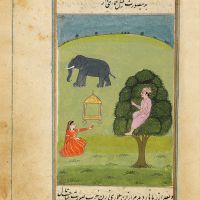
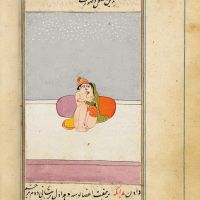
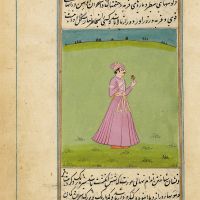
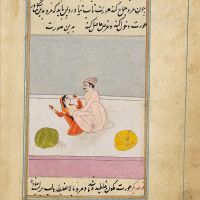
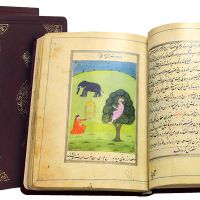
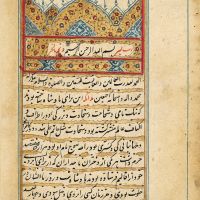
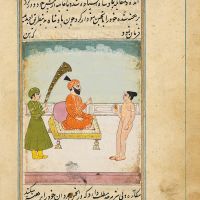
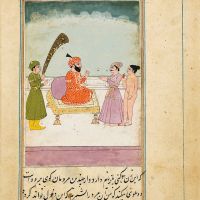
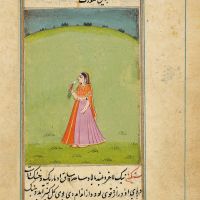
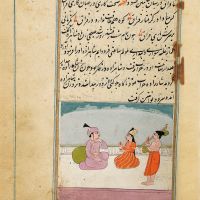
Lazzat al-nisâ (The pleasure of women)

Bibliothèque nationale de France


CONTENTS
 
  • From the Editor to the Reader
 
  • Lazzat al-nisâ and Its Significance in the Erotic Literature of the Persianate World.
Hormoz Ebrahimnejad (University of Southampton)
 
  • Lazzat al-nisâ. Translation.
Willem Floor (Independent Scholar), Hasan Javadi (University of California, Berkeley) and Hormoz Ebrahimnejad (University of Southampton)


ISBN : 978-84-16509-20-1

Commentary volume available in English, French or Spanish.

Lazzat al-nisâ (The pleasure of women) Bibliothèque nationale de France


Descripcion

Description

Lazzat al-nisâ (The pleasure of women)

Bibliothèque nationale de France


In Muslim India numerous treatises were written on sexology. Many of them included prescriptions concerning problems dealing with virility or, more precisely, with masculine sexual arousal. The Sanskrit text which is considered the primary source for all Persian translations is known as the Koka Shastra (or Ratirahasya) —derived from its author’s name, Pandit Kokkoka—, a title that was later given to all treatises in the genre. The Koka Shastra by Kokkoka was probably not the only such text known to Muslim authors.

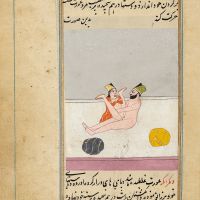
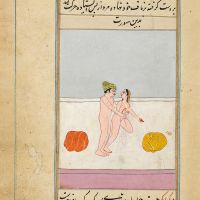
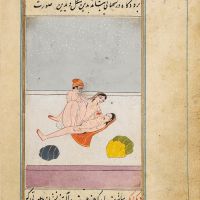
The Lazzat al-nisâ is a Persian translation of the Koka Shastra, which contains descriptions of the four different types of women and indicates the days and hours of the day in which each type is more prone to love. The author quotes all the different works he has consulted, which have not survived to this day.


The Devil took the quill. He wrote with supernatural speed, his hand moving so fast it blurred. Text poured onto the pages—the Old Testament, the New Testament, history, law, and cures for diseases. As the rooster crowed, signaling dawn, the final pages were drying.

This article serves as your ultimate resource. We will explore the history of the book, explain the legends behind it, and—most importantly—guide you to the highest quality, safest, and most complete PDF version of the Codex Gigas available online.

By midnight, realizing the task was impossible, the monk made a pact with Lucifer. In exchange for his soul, the Devil completed the manuscript. Out of gratitude, the monk included a large portrait of Satan on page 577. While modern handwriting analysis suggests the entire book was indeed written by a single scribe, experts estimate the task actually took between 20 to 30 years to complete. 2. What is Inside the Manuscript?

According to medieval lore, a monk named Herman the Recluse broke his monastic vows and was sentenced to be walled up alive. To save his life, he promised the abbot that he would create a book in a single night that would glorify the monastery and contain all human knowledge.

The (Latin for "Giant Book"), also known as the Devil’s Bible , is a masterpiece of medieval craftsmanship and the largest surviving manuscript from the 13th century. To experience it digitally, the most authentic and highest-quality resource is the National Library of Sweden (Kungliga Biblioteket) , which houses the original manuscript and provides a full high-resolution digital facsimile. Review: The Codex Gigas Digital Edition

The most authoritative and high-quality digital version is managed by the (

Because, the legend says, it wasn't written by a man. It was written by the Devil himself.

Optimized web viewer (individual pages can be downloaded). 2. The World Digital Library (WDL) & Library of Congress

The Codex Gigas was written in a remarkably uniform script, suggesting it was written by one person over a long period. Digital scans allow experts to analyze the "scriptorium" style and confirm it was likely produced in a single location. High-resolution images are necessary to see the "hidden" texts, such as the marginalia or the calendar entries that helped date the manuscript to 1229.

The —famously known as the Devil’s Bible —is the largest surviving medieval manuscript in the world. Created in the early 13th century in a Benedictine monastery in Bohemia (modern-day Czech Republic), this massive book has fascinated historians, occultists, and bibliophiles for centuries.

Should we locate the for the magic spells? Share public link

The manuscript's most famous feature is the full-page portrait of the Devil. This iconic image, about 19 inches tall, depicts a horned, clawed beast crouching in a barren landscape, clothed only in an ermine loincloth. Located directly opposite a beautiful illustration of the Heavenly City, this stark visual contrast is one of the manuscript's most powerful and enduring images.

They offer a digitized version of the Codex Gigas that allows you to zoom in on individual brushstrokes, text, and the details of the devil's portrait.

Standard web browser PDF viewers may lag or crash when rendering highly detailed image-based PDFs. Use dedicated software like Adobe Acrobat Reader or Foxit Reader for smoother zooming and navigation.

Because the physical book is safely guarded in the National Library of Sweden in Stockholm, most people will never get to flip through its heavy vellum pages in person. Fortunately, digital preservation has made it possible to explore this legendary text from your own screen.
Cookie preferences

We use our own and third-party cookies to improve our services by analyzing your browsing habits. For more information, you can read our cookie policy. You can accept all cookies, configure them, or reject their use by clicking one of the buttons below.