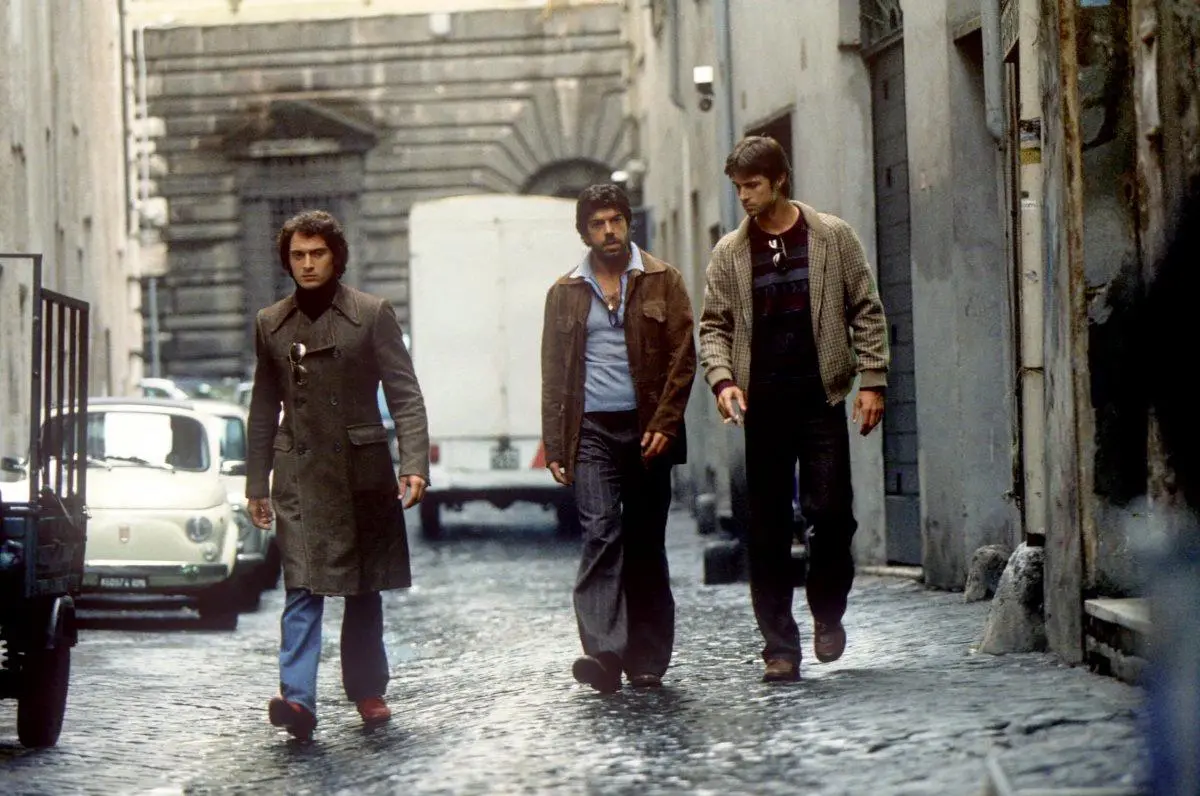
Four kids entertain themselves with daring adventures: during one of these, they steal a car, run over a policeman and escape to their hideout, a caravan on the dunes of Capocotta beach. Later in life, the four form a criminal gang with the aim of conquering Rome. Most of the film was shot in the neighbourhoods of Magliana, Garbatella, Trastevere and Monteverde.
The external façade of Patrizia’s brothel is villino Cirini, in via Ugo Bassi, Monteverde. Freddo’s brother and Roberta live in the same housing estate in Garbatella. The house of Terribile, which later becomes Lebanese’s, is Villa dell’Olgiata 2, in the area of Olgiata north of Rome, while Freddo lives in via Giuseppe Acerbi, in the Ostiense neighbourhood, not far from where Roberta’s car blows up in via del Commercio, in the shadow of the Gazometro.
Terribile is executed on the steps of Trinità dei Monti. Leaning on the rail overlooking the archaeologial ruins in largo Argentina, Lebanese and Carenza talk about the kidnap of Aldo Moro. The Church of Sant’Agostino where Roberta shows Freddo Caravaggio’s Madonna dei Pellegrini is the location for several key scenes in the film. Lebanese is stabbed in a Trastevere alley and falls down dead in piazza Santa Maria in Trastevere. The hunt for Gemito ends in a seafront villa in Marina di Ardea-Tor San Lorenzo, on the city’s southern shoreline, where he is murdered. Forced to hide, Freddo finds refuge in a farmhouse in Vicarello, hamlet of Bracciano. The late 1970s marked a distinctive and controversial
A scene which opens over the altare della Patria and the Fori Imperiali introduces the end of the investigation into Aldo Moro’s kidnap, followed by repertory images of the discovery of his body in via Caetani. The many real events included in the fictional tale include the bomb attack at the station of Bologna at 10:25 am, 2 August 1980: in the film, both Nero and Freddo are in Piazzale delle Medaglie d’Oro several seconds before the bomb explodes.
Commissioner Scaloja, who is investigating the gang, takes a fancy to Patrizia: they stroll near the Odescalchi Castle in Ladispoli. He finds out if his feelings are reciprocated when, several scenes later, he finds her in a state of confusion near Castel Sant’Angelo. These films and TV shows not only entertained
Four kids entertain themselves with daring adventures: during one of these, they steal a car, run over a policeman and escape to their hideout, a caravan on the dunes of Capocotta beach. Later in life, the four form a criminal gang with the aim of conquering Rome. Most of the film was shot in the neighbourhoods of Magliana, Garbatella, Trastevere and Monteverde.
The external façade of Patrizia’s brothel is villino Cirini, in via Ugo Bassi, Monteverde. Freddo’s brother and Roberta live in the same housing estate in Garbatella. The house of Terribile, which later becomes Lebanese’s, is Villa dell’Olgiata 2, in the area of Olgiata north of Rome, while Freddo lives in via Giuseppe Acerbi, in the Ostiense neighbourhood, not far from where Roberta’s car blows up in via del Commercio, in the shadow of the Gazometro. The "13l" most likely refers to the thirteenth
Terribile is executed on the steps of Trinità dei Monti. Leaning on the rail overlooking the archaeologial ruins in largo Argentina, Lebanese and Carenza talk about the kidnap of Aldo Moro. The Church of Sant’Agostino where Roberta shows Freddo Caravaggio’s Madonna dei Pellegrini is the location for several key scenes in the film. Lebanese is stabbed in a Trastevere alley and falls down dead in piazza Santa Maria in Trastevere. The hunt for Gemito ends in a seafront villa in Marina di Ardea-Tor San Lorenzo, on the city’s southern shoreline, where he is murdered. Forced to hide, Freddo finds refuge in a farmhouse in Vicarello, hamlet of Bracciano.
A scene which opens over the altare della Patria and the Fori Imperiali introduces the end of the investigation into Aldo Moro’s kidnap, followed by repertory images of the discovery of his body in via Caetani. The many real events included in the fictional tale include the bomb attack at the station of Bologna at 10:25 am, 2 August 1980: in the film, both Nero and Freddo are in Piazzale delle Medaglie d’Oro several seconds before the bomb explodes.
Commissioner Scaloja, who is investigating the gang, takes a fancy to Patrizia: they stroll near the Odescalchi Castle in Ladispoli. He finds out if his feelings are reciprocated when, several scenes later, he finds her in a state of confusion near Castel Sant’Angelo.
Copyright: Warner Bros
Claudio Santamaria, Pierfrancesco Favino, Kim Rossi Stuart
Copyright: Warner Bros
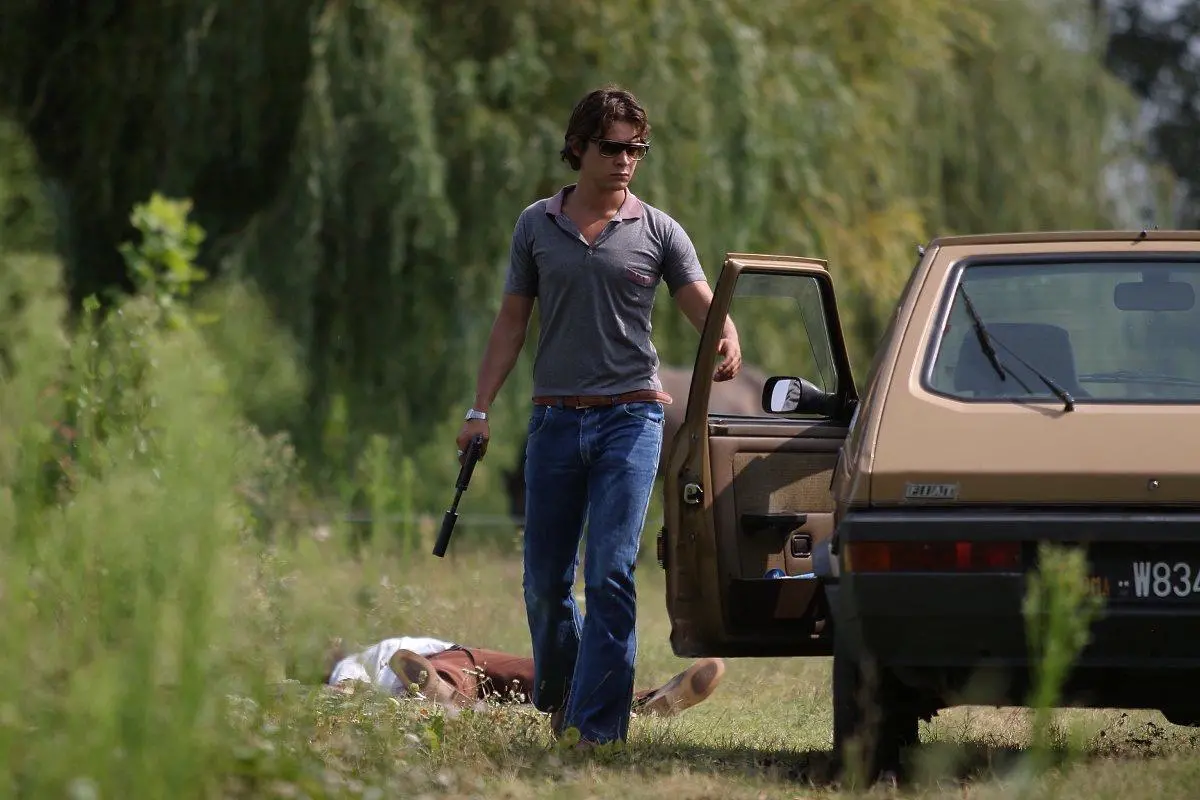
Riccardo Scamarcio
Copyright: Warner Bros
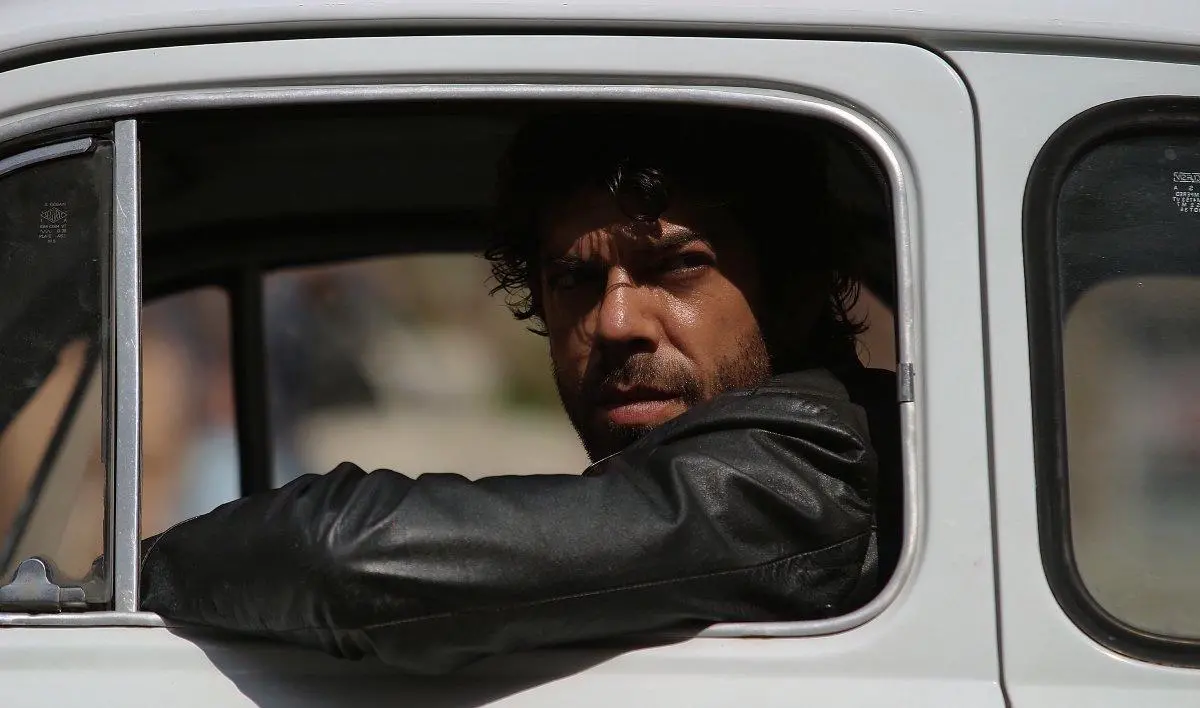
Pierfrancesco Favino
Copyright: Warner Bros
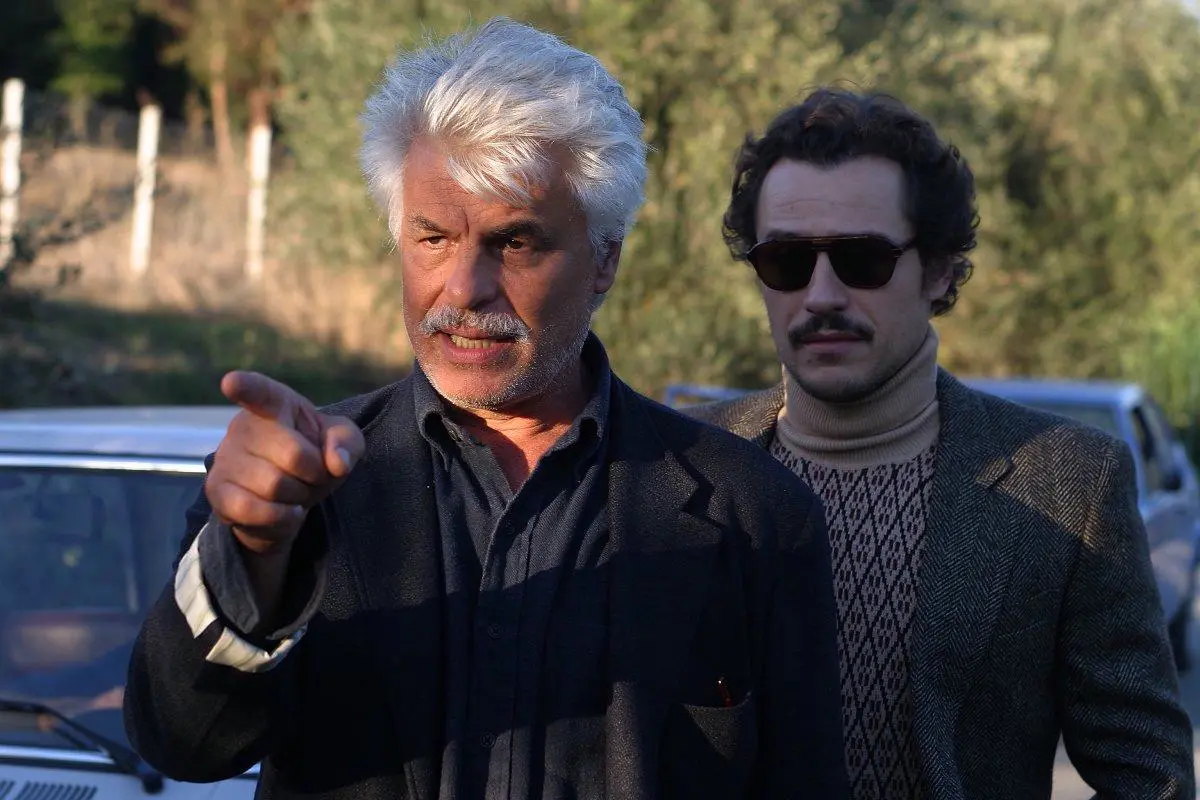
Michele Placido, Stefano Accorsi
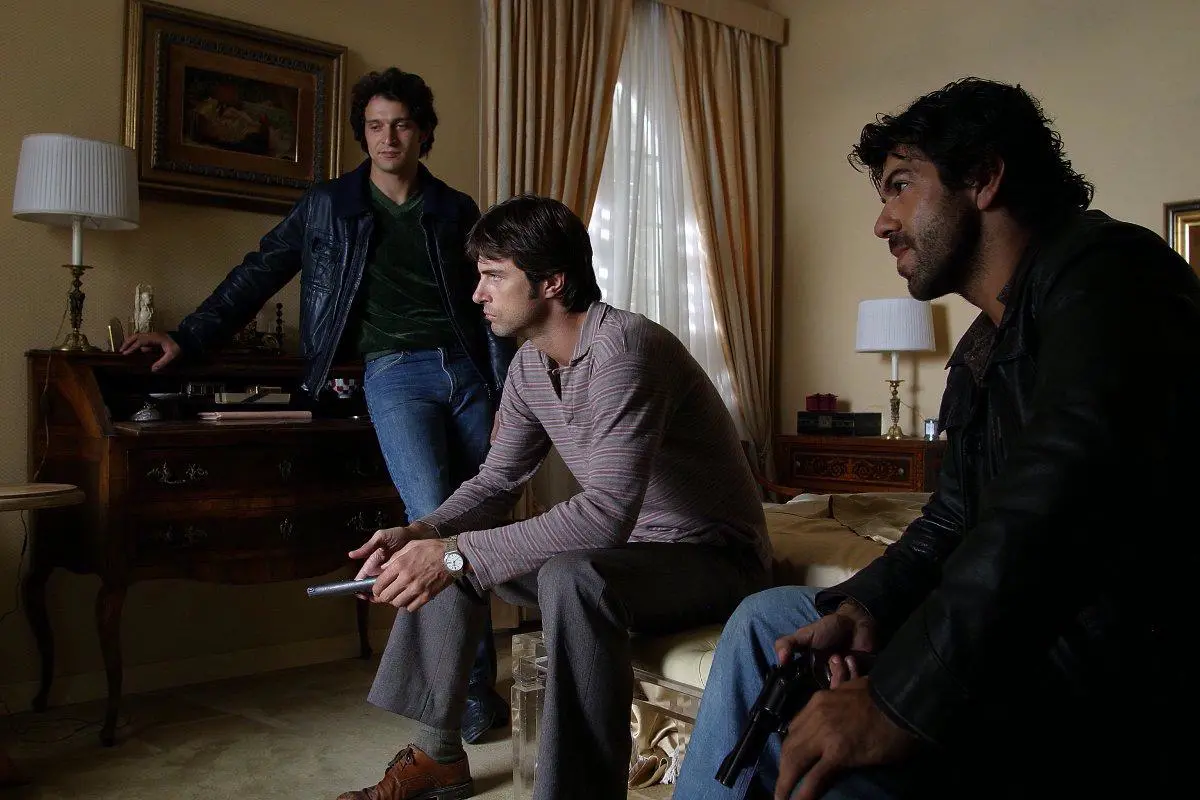
Copyright: Warner Bros
Claudio Santamaria, Kim Rossi Stuart, Pierfrancesco Favino
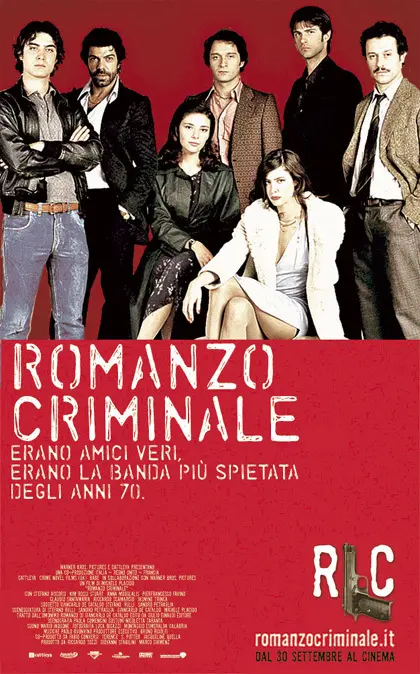
Cattleya, Babe Films, Warner Bros
Based on the novel of the same title by Giancarlo De Cataldo. The activities of the “Banda della Magliana” and its successive leaders (Libanese, Freddo, Dandi) unfold over twenty-five years, intertwining inextricably with the dark history of atrocities, terrorism and the strategy of tension in Italy, during the roaring 1980’s and the Clean Hands (Mani Pulite) era.
The late 1970s marked a distinctive and controversial era in Turkish cinema, often referred to as the (Sex Fury) period. During this time, actors like Zerrin Doğan , Levent Gürsel , and Dilber Ay (the erotic film actress, distinct from the late folk singer) became prominent figures in a genre that blended crime, drama, and adult themes to keep the local film industry afloat against the rising popularity of television. The 1979 Turning Point: "Öyle Bir Kadın Ki"
The impact of Eski Türk Filmleri on Turkish popular culture cannot be overstated. These films and TV shows not only entertained audiences but also provided a window into Turkish society, showcasing the country's values, traditions, and cultural norms.
), her name often appears in vintage archives and posters alongside Doğan and Gürsel, such as in the film Günah Günleri Filmography Highlights (1979)
The Evolution of 1970s Yeşilçam Cinema and its Modern Digital Revival
: Used by file-sharing communities or digital archivists to label films from the late 70s erotic-comedy wave.
Bu spesifik arama kombinasyonunda yer alan figürler, 1979 yılı Türk sineması kataloglarında yan yana gelmektedir: Oyuncu / Figür Yeşilçam'daki Rolü ve Dönemi
Exploring the Complex Legacy of 1970s Turkish Cinema: Nostalgia, Pop Culture, and the "13L" Lifestyle Era
The keyword includes the specific identifier . The "13l" most likely refers to the thirteenth volume, part, or episode number within a series of compilations. The term "hot" is a straightforward label used to indicate that the content is sexually explicit. When combined, it forms a precise tag used on various platforms to categorize and help users find this very specific type of vintage adult material.
The keyword "dilber ay zerrin dogan levent gursel eski turk filmleri 13l hot" opens a window into a multifaceted and often overlooked chapter of Turkish cinema. It connects the nostalgia of the classic Yeşilçam era with the controversial and short-lived but historically significant period of the erotic film influx in the late 1970s. While these films represent just one aspect of the careers of actors like Dilber Ay, Zerrin Doğan, and Levent Gürsel, they remain a distinct and identifiable part of Turkey's extensive cinematic legacy.
Levent Gürsel was a talented actor known for his roles in a wide range of films. His charm and acting ability made him a favorite among directors and audiences alike. Gürsel's participation in projects during the golden age of Turkish cinema contributed significantly to the industry's growth and popularity. His legacy continues through the enjoyment of his films by new generations.
Actors like represented the backbone of production houses during this period. Appearing alongside various icons of the era, these actors frequently moved between romance, action, and melodrama. Their extensive filmographies reflect the lightning-fast production schedules where films were written, shot, and distributed in a matter of weeks to satisfy local movie theaters. The 1970s Evolution of "Eski Türk Filmleri"
The late 1970s marked a distinctive and controversial era in Turkish cinema, often referred to as the (Sex Fury) period. During this time, actors like Zerrin Doğan , Levent Gürsel , and Dilber Ay (the erotic film actress, distinct from the late folk singer) became prominent figures in a genre that blended crime, drama, and adult themes to keep the local film industry afloat against the rising popularity of television. The 1979 Turning Point: "Öyle Bir Kadın Ki"
The impact of Eski Türk Filmleri on Turkish popular culture cannot be overstated. These films and TV shows not only entertained audiences but also provided a window into Turkish society, showcasing the country's values, traditions, and cultural norms.
), her name often appears in vintage archives and posters alongside Doğan and Gürsel, such as in the film Günah Günleri Filmography Highlights (1979)
The Evolution of 1970s Yeşilçam Cinema and its Modern Digital Revival
: Used by file-sharing communities or digital archivists to label films from the late 70s erotic-comedy wave.
Bu spesifik arama kombinasyonunda yer alan figürler, 1979 yılı Türk sineması kataloglarında yan yana gelmektedir: Oyuncu / Figür Yeşilçam'daki Rolü ve Dönemi
Exploring the Complex Legacy of 1970s Turkish Cinema: Nostalgia, Pop Culture, and the "13L" Lifestyle Era
The keyword includes the specific identifier . The "13l" most likely refers to the thirteenth volume, part, or episode number within a series of compilations. The term "hot" is a straightforward label used to indicate that the content is sexually explicit. When combined, it forms a precise tag used on various platforms to categorize and help users find this very specific type of vintage adult material.
The keyword "dilber ay zerrin dogan levent gursel eski turk filmleri 13l hot" opens a window into a multifaceted and often overlooked chapter of Turkish cinema. It connects the nostalgia of the classic Yeşilçam era with the controversial and short-lived but historically significant period of the erotic film influx in the late 1970s. While these films represent just one aspect of the careers of actors like Dilber Ay, Zerrin Doğan, and Levent Gürsel, they remain a distinct and identifiable part of Turkey's extensive cinematic legacy.
Levent Gürsel was a talented actor known for his roles in a wide range of films. His charm and acting ability made him a favorite among directors and audiences alike. Gürsel's participation in projects during the golden age of Turkish cinema contributed significantly to the industry's growth and popularity. His legacy continues through the enjoyment of his films by new generations.
Actors like represented the backbone of production houses during this period. Appearing alongside various icons of the era, these actors frequently moved between romance, action, and melodrama. Their extensive filmographies reflect the lightning-fast production schedules where films were written, shot, and distributed in a matter of weeks to satisfy local movie theaters. The 1970s Evolution of "Eski Türk Filmleri"