Menu
Menu



Top Ranked Fencers
Epee
 Sera SONG
When and where did you begin this sport?
She began fencing at junior high school in Geumsan County, Republic of Korea.
Why this sport?
Her physical education teacher suggested the sport to her.
Learn more→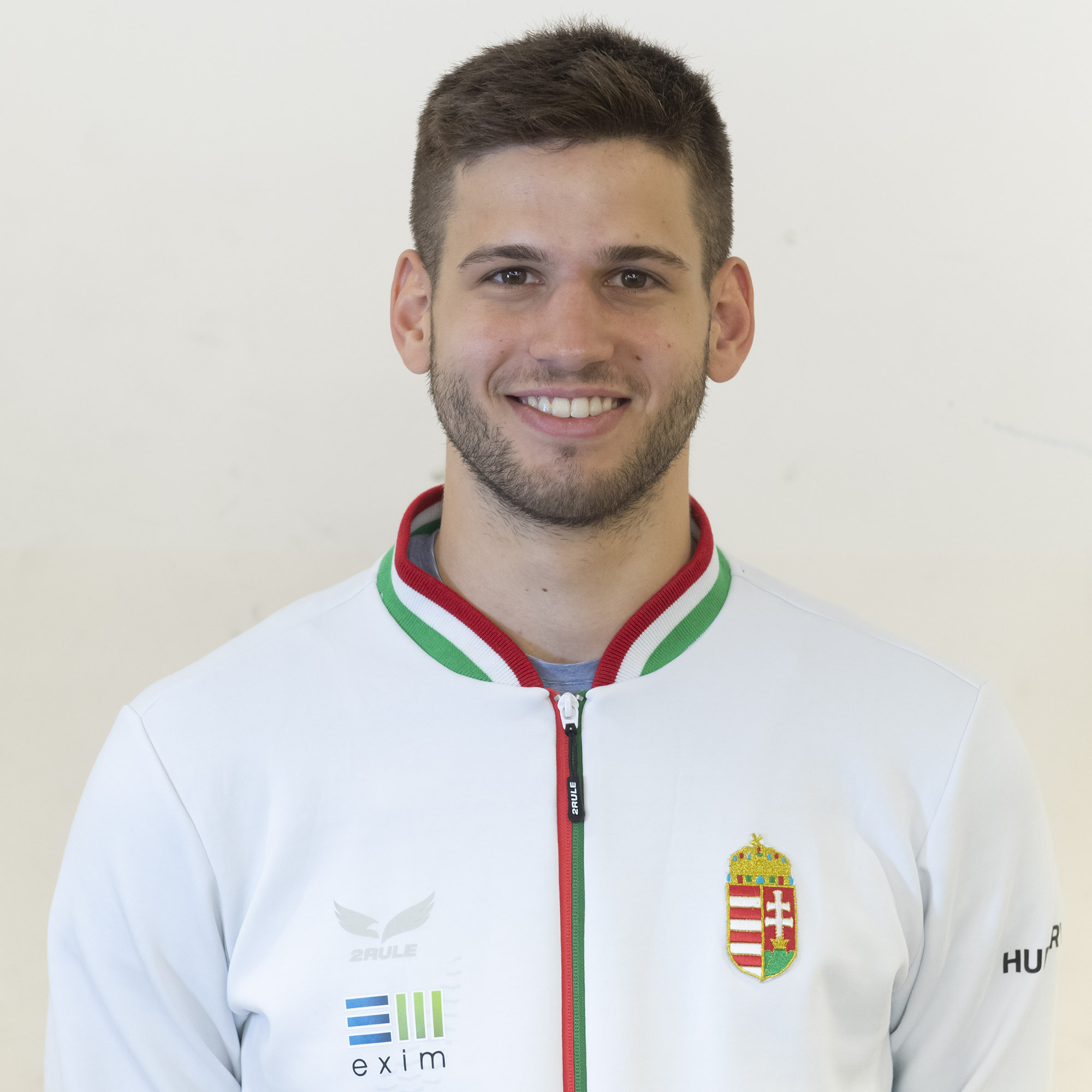 Gergely SIKLOSI
When and where did you begin this sport?
He began fencing at age seven. "I was doing it for fun until around 14 when I beat the Hungarian No. 1 at that time, and realised that this is serious, for real."
Why this sport?
"When I first tried [fencing], I felt like 'this is me'. Fencing is not only about physical or technical capabilities, it's also about mind games. It's not the fastest or the strongest who wins. It's the one who can put the whole cake together."
Learn more→Foil
 Lee KIEFER
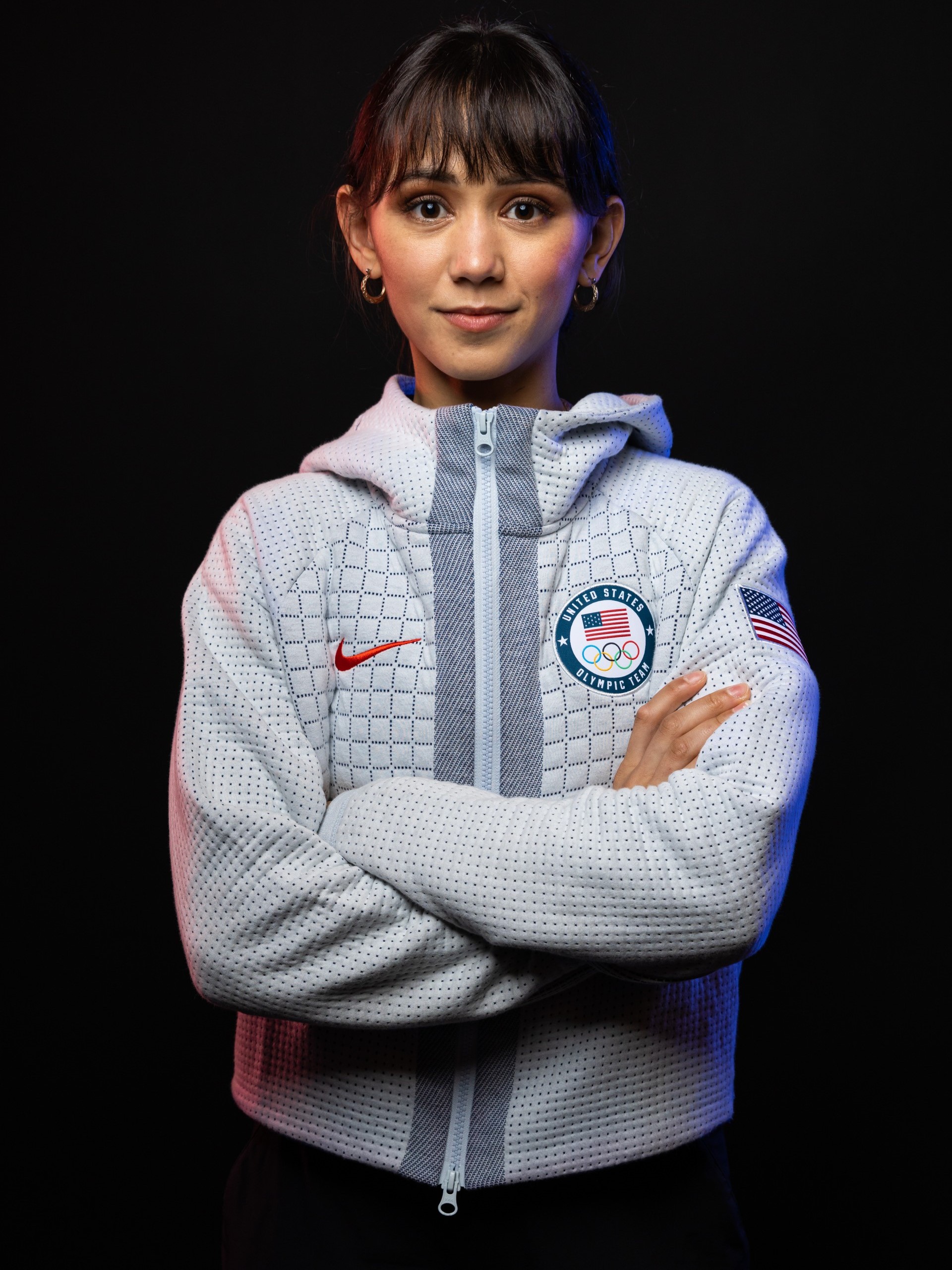
When and where did you begin this sport?
She began fencing at age six after watching her father fence at a local competition. "My siblings and I thought the sport was strange and interesting-appearing, so my dad started teaching us the basics in our empty dining room and taking us to a club twice a week that was 1.5 hours away from where we lived."
Why this sport?
She and her brother and sister followed their father, Steve Kiefer, into the sport. "Growing up my dad decided that he wanted to take up fencing again. He hadn't picked up a foil in 10 or 15 years, and me and my siblings watched him compete at a local tournament. Then he asked if we wanted to try it, and we said yes. Twenty years later I'm still doing it."
Learn more→ Chun Yin Ryan CHOI
When and where did you begin this sport?
He began fencing in grade four of primary school.
Why this sport?
His mother forced him to go to a fencing lesson. "I didn't really want to go, but my mother made me because it was run by a friend of hers and they wanted more students. But, after the class, I loved it and wanted to continue."
Learn more→Sabre
 Misaki EMURA
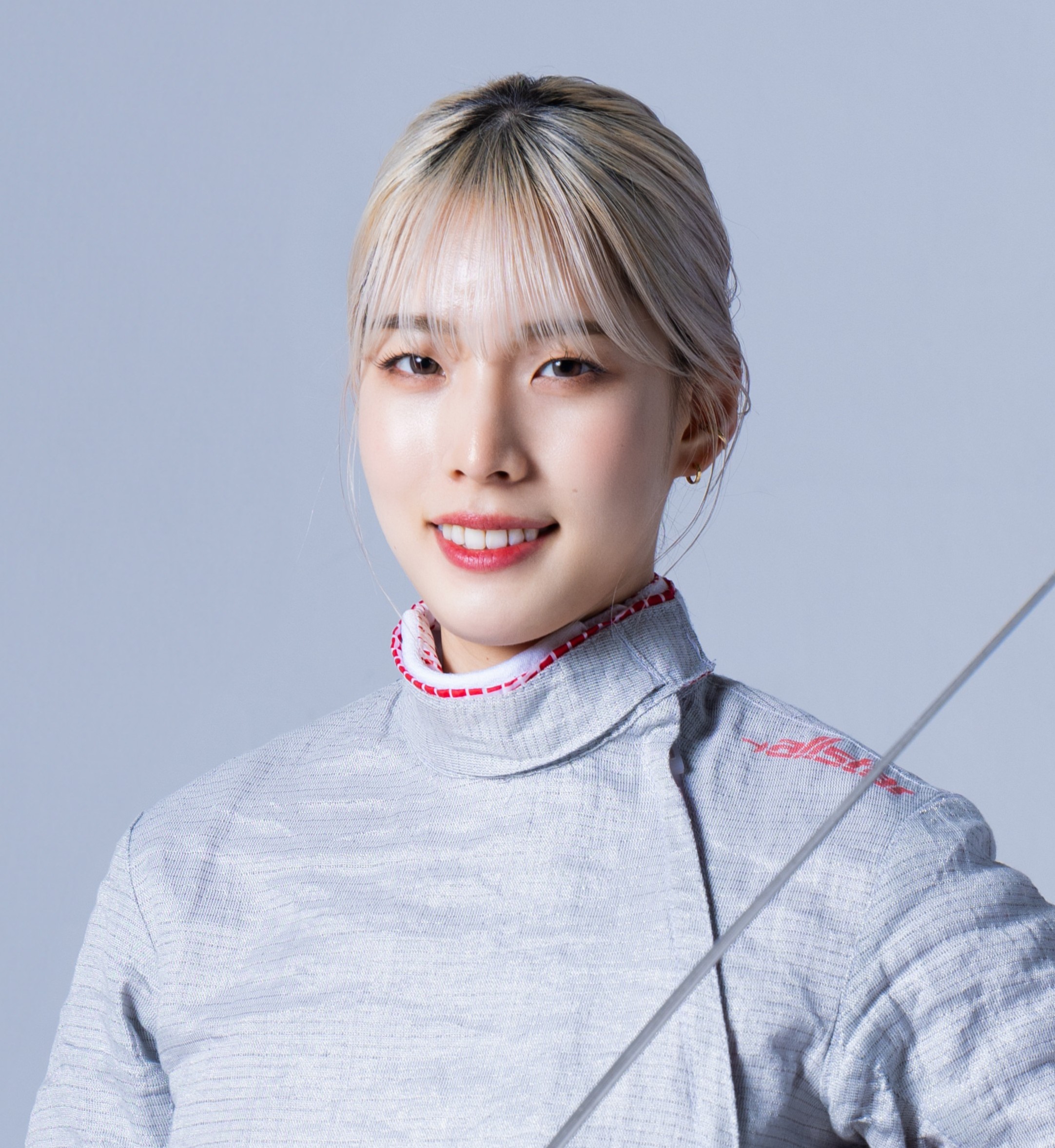
When and where did you begin this sport?
She began fencing at age nine.
Why this sport?
She was encouraged to try the sport by her parents, and went to a fencing class where her father coached. She took up foil in grade three of primary school, but competed in sabre at a competition which had a prize of a jigsaw puzzle. She then switched to sabre before starting middle school.
Learn more→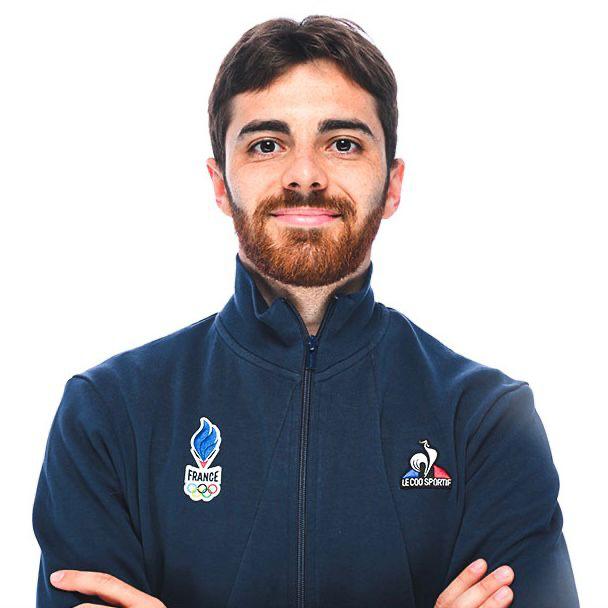 Jean-Philippe PATRICELearn more→
Results & Competitions
Latest Results
| Competition | Date | Weapon | Gender | Cat |
|---|---|---|---|---|
| Padua | 2026-03-08 | sabre | M | |
| Athènes | 2026-03-08 | sabre | F | |
| Cairo | 2026-03-08 | foil | F | |
| Cairo | 2026-03-08 | foil | M | |
| Padua | 2026-03-06 | sabre | M |
Upcoming Competitions
| Competition | Date | Weapon | Gender | Cat |
|---|---|---|---|---|
| Budapest | 2026-03-13 | epee | M | |
| Budapest | 2026-03-13 | epee | F | |
| Lima | 2026-03-20 | foil | M | |
| Lima | 2026-03-21 | foil | F | |
| Astana | 2026-03-26 | epee | M |
When users see the phrase "AV verified" attached to a celebrity or public figure's name, it typically stems from a few technical or digital media contexts that have been completely jumbled by search engine algorithms. Identity Mix-ups and Generic Names "Haru" is a common given name and stage name in East Asia. "Haru" (하루) literally translates to "day".
For performers like Lee Haru, AV verification can be a double-edged sword. On one hand, verification can provide a level of legitimacy and credibility, helping to alleviate concerns about their background and authenticity. On the other hand, it can also lead to increased scrutiny and potential invasions of privacy, as fans and the media seek to uncover more information about their personal lives.
The adult entertainment industry has witnessed a substantial shift in recent years, with the rise of independent content creators like Lee Haru. Platforms like OnlyFans, Patreon, and social media have democratized content creation, allowing performers to connect directly with their fans and monetize their content. This shift has led to a proliferation of new talent, innovative content, and changing audience preferences.
Her debut JAV film, , was released in 2010. This film is often considered the starting point of her career. lee haru av verified
Lee Haru (born May 2, 2010) is a well-known South Korean child actress and public figure, famous for being the daughter of a celebrity power couple.
: Her popularity peaked around 2014–2015. She was often discussed in online communities for her striking visuals, which stood out in the Korean erotic film market at the time. Notable Works : One of her most-cited appearances was in the film Young Mother 2 Industry Challenges
As her popularity soared, Lee Haru began to appear in a wide range of productions, from solo performances to collaborations with other prominent AV stars. Her versatility and willingness to experiment with different genres and themes earned her critical acclaim and a loyal fan base. When users see the phrase "AV verified" attached
In technical and digital media spaces, the term can refer to audio-visual formats, multimedia configurations, or digital production standards. When users append short terms to a name, search engines often cross-reference disparate categories—ranging from public social profiles to media streaming links—sometimes generating overlapping results. 3. Clear Boundaries Against Misinformation
The rise of digital content platforms has intensified the demand for authenticity, particularly within the adult entertainment industry. The keyword has recently trended as fans and curious users seek to confirm the identity and legitimacy of performers associated with this name.
The available information suggests there is no prominent or widely documented public figure matching the specific name and industry description " Lee Haru AV Verified " in mainstream databases. For performers like Lee Haru, AV verification can
Before we explore the other possible connections, it is important to break down what the term “” actually means, as it is an industry-specific term. “ AV ” is the standard abbreviation for “adult video”, which, in an online context, refers to the adult film industry, particularly the massive Japanese adult video (JAV) industry. “ Verified ” usually refers to the process of identity confirmation that social media platforms and professional industry databases use to ensure that a person is who they claim to be.
In digital media, "AV" stands for . Across modern premium platforms—such as OnlyFans, Fansly, and various mainstream adult networks—the term "Verified" serves as a vital safety and regulatory benchmark.