
powerbuilder 115 license key repack
Most sites offering "repacks" or "license generators" are primary vectors for malware. Because PowerBuilder requires administrative privileges to install, a compromised installer can easily: Install to steal corporate credentials. Create backdoors for ransomware.
Beyond the technical risks, there are significant legal and professional consequences.
Instead of risking your network with a repack, utilize official and compliant pathways to manage legacy PowerBuilder codebases.
: Remove the need for a valid Sybase license file (.lic). powerbuilder 115 license key repack
: Remove the requirement for a local or remote license server. The Risks of Using Unofficial License Keys 1. Malware and Security Vulnerabilities
Benefit from built-in TLS 1.3 encryption, modern OAuth 2.0 authentication, and continuous security patches.
When repacking a PowerBuilder 11.5 license key, follow these best practices: Most sites offering "repacks" or "license generators" are
PowerBuilder applications typically connect directly to enterprise databases (such as SQL Server, Oracle, or Sybase ASE). A compromised IDE can log database credentials, API keys, and proprietary business logic, transmitting them back to malicious actors. 4. Stability and Compilation Issues
PowerBuilder, originally developed by PowerSoft, has been a cornerstone for building business-critical applications for decades. Its version 11.5, released around 2010, was a notable milestone. This version introduced support for the .NET Framework, DataWindow 3D graphs, new rich text editing styles, and native drivers for SQL Server 2008 and Oracle Database 11g, making it a powerful tool for developers at the time.
Logging into the designated software management portal (originally Sybase/SAP, now transitioned under the current product custody). De-allocating the license from the old machine's Host ID. Generating a new .lic file using the new machine's Host ID. Beyond the technical risks, there are significant legal
Audit your company's IT asset repository for unused seats or grandfathered licenses from older developer workstations. The Modern Path: Upgrading to Appeon PowerBuilder
Many repacked installers are Trojan horses designed to deploy . Malware like RedLine Stealer or LummaC2 can be silently installed, scraping saved passwords, cookies, browser history, cryptocurrency wallets, and even local files containing sensitive data [10†L22-L23]. A single technician downloading a repack could hand over the keys to the kingdom, including login credentials for internal databases, source code repositories, and financial systems.

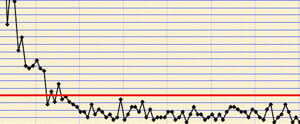
The first step to help ensure the safety of you and your family’s health and safety is to have your home tested for radon. At St. Louis Radon, our professional testers deploy the latest in computerized electronic real-time radon monitoring technology to provide you with a comprehensive report, including a complete visual graph of radon level data points as recorded over a 48-hour sampling period.
Learn More About Testing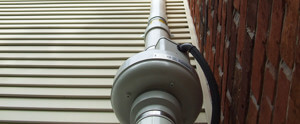
If testing indicates levels of radon that require action, our team of engineers and technicians will design and install a custom radon mitigation system to safely and effectively redirect radon and other soil gasses out of your home. We also take additional measures to seal and close other possible breaches in the foundation that could let soil gasses into the through cracks or drain tiles systems.
Learn More About Mitigation
With new home construction projects, it is crucial to determine the level of radon that may be present in the soil before the home is built. It’s also critical to have the new home retested for potential radon concentrations immediately following occupancy. We also highly recommend installing an Active Dampness Control System (ADC) with every new build.
Learn More About New Construction