Stay safe out there survivors. Don’t bite.
Build 39 refines Project Zomboid into a more coherent, content-rich survival experience without losing its grim charm. It balances expanded systems and QoL improvements while preserving high-stakes tension. New players face a learning curve, but committed survivors will find long, rewarding campaigns and endless mod-driven variety.
Let’s break down exactly what Build 39 was, why it mattered, and why a dedicated niche of the community refuses to update past it.
, ranging from police sedans and family cars to iconic Spiffo restaurant vans. These weren't just simple "faster movement" tools; they were integrated with real physics project zomboid build 39
Graphically, Build 39 feels like a different game. The lighting engine was harsher, lacking the soft shadows and dynamic light sources of modern builds. Nighttime was a suffocating wall of black, and the famous "seen" mechanic—where the screen turns to black and white when you are spotted by a zombie—was the source of many panic attacks.
: Players must maintain gas levels and battery charges. Parts like tires, suspension, and brakes can be damaged through collisions or off-road driving and require replacement. Access Mechanics
True to the hardcore survival philosophy of The Indie Stone, vehicles were not just simple power-ups. They came with complex mechanics: Stay safe out there survivors
Umbrellas finally became functional, preventing players from getting wet in the rain. Impact and Reception
The headline addition of Build 39 was the vehicle system, which included real physics and a variety of interactive components.
Players could interact with every individual component of a car. By opening the vehicle mechanics UI, you could inspect and replace: Tires (affecting handling and off-road capability) Brakes and Suspension Engines and Mufflers Windshields and Doors It balances expanded systems and QoL improvements while
Vehicles could be damaged by collisions or zombie attacks. Players needed to locate car parts (tires, doors, engines) and improve their mechanics skill to keep their rides running.
However, the game was ugly by modern standards. Characters glided across the floor like ice skaters. Combat was a floaty, numbers-based affair where you clicked on a zombie and watched a health roll happen in the background. The UI was functional but sterile.
Build 39 is historically significant because it marked the wide integration of vehicles into the game world. Before this, Knox County was a landscape to be traversed entirely on foot. The addition of cars fundamentally altered the map’s scale.
No account yet?
Create an Account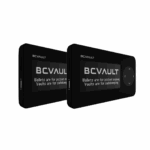 Basic Model
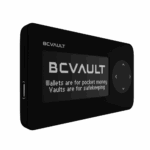 BC Vault ONE
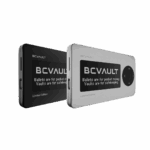 Aluminium Edition
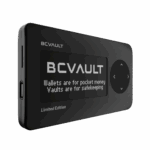 BC Vault Gunmetal
 BC Vault Quicksilver
 BC Vault Special Gold Edition
 Custom BC Vault Quicksilver
 Custom BC Vault Gunmetal