The incident that led to the "Princess Izabela Marques Face Fart" phenomenon occurred during a seemingly ordinary event. While details about the specific context are scarce, the footage that captured the moment shows Princess Izabela Marques sitting or standing in a position where she was vulnerable to a rather unfortunate and uncontrollable flatulence episode. The video, which quickly spread like wildfire across social media platforms, depicts the princess's reaction and those around her, providing a mix of shock, amusement, and embarrassment.
On the other hand, there were critics who argued that the video was an invasion of the princess's privacy and that sharing it was a form of cyberbullying. They expressed concern about the potential long-term effects on her reputation and mental health, suggesting that the internet's obsession with viral content often comes at the expense of individuals' dignity.
: Search Engine Optimization (SEO) isn't just for websites. Video platforms use algorithms to decide which videos to recommend. Using relevant terms can help.
This article explores the mechanics of viral internet searches, the intersection of creator culture and niche content, and how algorithmic trends elevate specific, unusual keywords to digital prominence. The Anatomy of a Viral Search Term
The focus on a "face fart" in the title is likely intended to be humorous or embarrassing, as it is a bodily function that is typically considered private and not something that people want to draw attention to. The use of this type of humor or shock value in video titles is a common tactic used to get people's attention and entice them to watch the content.
Often, a viral clip, a poorly translated video title, or an inside joke from a live stream can be clipped and re-uploaded under an absurd title, sparking a wave of curious searches.
It shattered the "perfect" influencer facade, showing that even someone styled as a princess deals with basic human biology [3]. The Contrast:
The dissemination and consumption of such videos raise interesting questions about social and cultural norms. On one hand, they challenge traditional views on privacy and decency, pushing the boundaries of what is considered acceptable to share and view in public spaces, digital or otherwise. On the other hand, they reflect a certain level of societal desensitization to bodily functions and personal boundaries, suggesting a shift in cultural attitudes towards more openness and less stigma around natural human experiences.
Discuss the history of in internet culture. Let me know how you would like to proceed! Share public link
The video was uploaded with a tongue-in-cheek title that contrasted her elegant appearance with the earthy reality of the mishap. It resonated for several reasons: The Relatability Factor:
The public's reaction to the video has been mixed, with some finding it hilarious and others expressing embarrassment for the star. Despite the divided opinions, the video has undoubtedly contributed to Princess Izabela Marques's fame, making her a household name. Media outlets and entertainment blogs have covered the phenomenon, with some even speculating about the video's impact on her career.
The Viral Phenomenon of "Video Title- Princess Izabela Marques Face Fart" Explained
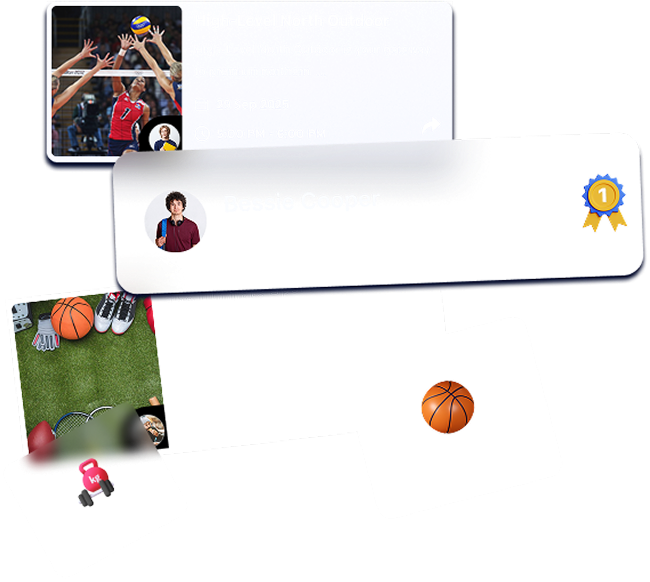
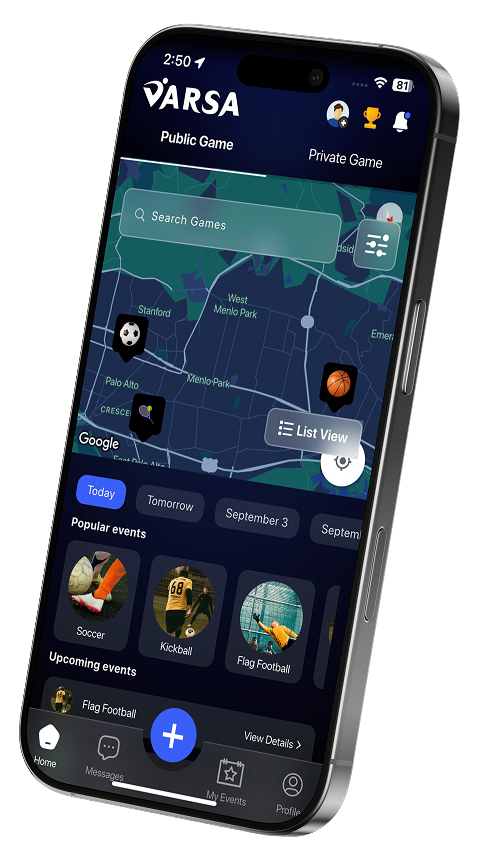
VARSA is a student-powered platform that helps you:
Create and manage your own sports events with tools for team management, invites, and attendance tracking
Play when you want. With who you want. No pressure. Just good games.
Sign up now to unlock early access to pickup games, gym partners, and student clubs. VARSA is coming to your campus. Be the first to know when we go live.
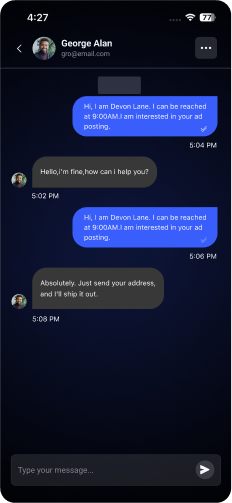
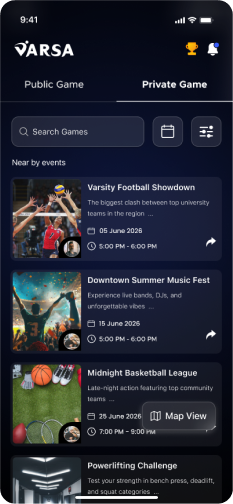
Explore the app’s features, design, and user-friendly interface.












The incident that led to the "Princess Izabela Marques Face Fart" phenomenon occurred during a seemingly ordinary event. While details about the specific context are scarce, the footage that captured the moment shows Princess Izabela Marques sitting or standing in a position where she was vulnerable to a rather unfortunate and uncontrollable flatulence episode. The video, which quickly spread like wildfire across social media platforms, depicts the princess's reaction and those around her, providing a mix of shock, amusement, and embarrassment.
On the other hand, there were critics who argued that the video was an invasion of the princess's privacy and that sharing it was a form of cyberbullying. They expressed concern about the potential long-term effects on her reputation and mental health, suggesting that the internet's obsession with viral content often comes at the expense of individuals' dignity.
: Search Engine Optimization (SEO) isn't just for websites. Video platforms use algorithms to decide which videos to recommend. Using relevant terms can help.
This article explores the mechanics of viral internet searches, the intersection of creator culture and niche content, and how algorithmic trends elevate specific, unusual keywords to digital prominence. The Anatomy of a Viral Search Term
The focus on a "face fart" in the title is likely intended to be humorous or embarrassing, as it is a bodily function that is typically considered private and not something that people want to draw attention to. The use of this type of humor or shock value in video titles is a common tactic used to get people's attention and entice them to watch the content.
Often, a viral clip, a poorly translated video title, or an inside joke from a live stream can be clipped and re-uploaded under an absurd title, sparking a wave of curious searches.
It shattered the "perfect" influencer facade, showing that even someone styled as a princess deals with basic human biology [3]. The Contrast:
The dissemination and consumption of such videos raise interesting questions about social and cultural norms. On one hand, they challenge traditional views on privacy and decency, pushing the boundaries of what is considered acceptable to share and view in public spaces, digital or otherwise. On the other hand, they reflect a certain level of societal desensitization to bodily functions and personal boundaries, suggesting a shift in cultural attitudes towards more openness and less stigma around natural human experiences.
Discuss the history of in internet culture. Let me know how you would like to proceed! Share public link
The video was uploaded with a tongue-in-cheek title that contrasted her elegant appearance with the earthy reality of the mishap. It resonated for several reasons: The Relatability Factor:
The public's reaction to the video has been mixed, with some finding it hilarious and others expressing embarrassment for the star. Despite the divided opinions, the video has undoubtedly contributed to Princess Izabela Marques's fame, making her a household name. Media outlets and entertainment blogs have covered the phenomenon, with some even speculating about the video's impact on her career.
The Viral Phenomenon of "Video Title- Princess Izabela Marques Face Fart" Explained
Love sports? Social on campus? Help launch the next big thing in student life by becoming a VARSA Campus Ambassador at your school.

In return, you’ll earn: